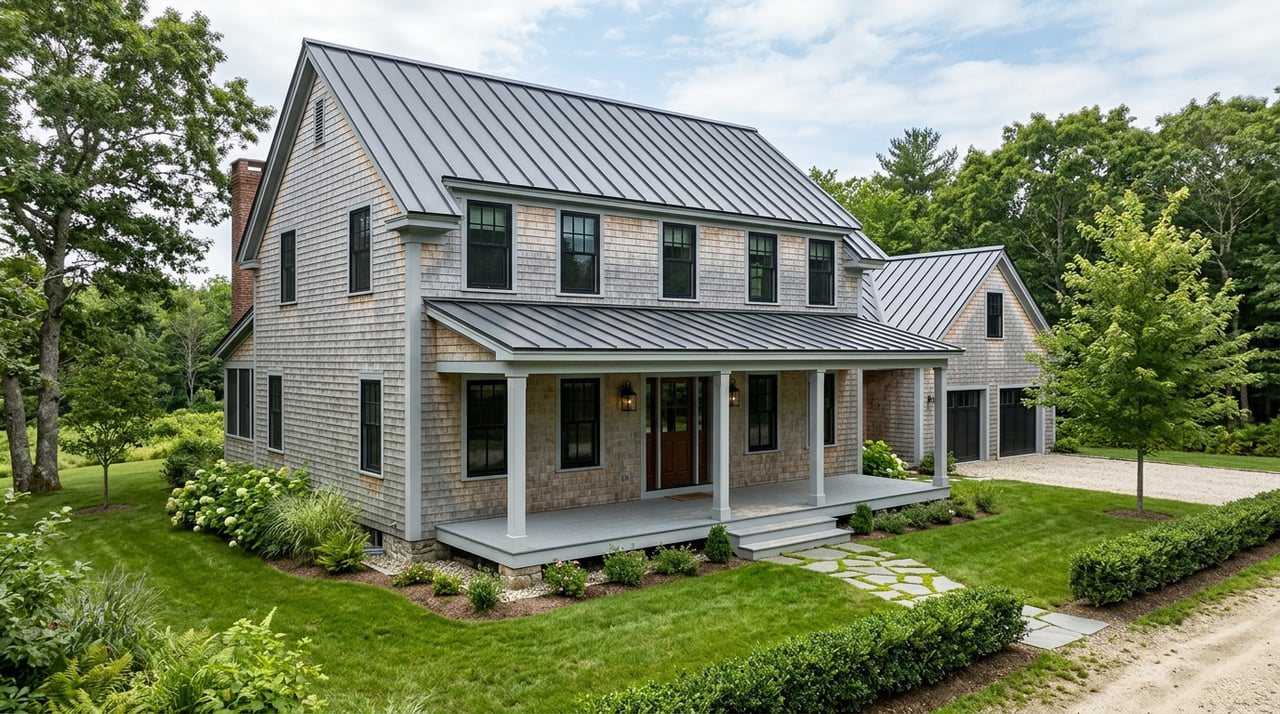
Want your Fairfield home under contract in 30 days? The fastest path is a smart list price that meets buyers where they’re already searching, backed by a strong first‑two‑weeks launch. You’re juggling timing, market noise, and a big financial decision, so it helps to have a clear plan. In this guide, you’ll learn how Fairfield’s micro‑markets affect pricing, how to read supply and demand, and how to use price bands to spark early showings. Let’s dive in.
Know your Fairfield micro‑market
Fairfield isn’t one market. It’s a set of micro‑markets with different buyers, timelines, and pricing expectations. A similar square footage can draw very different activity depending on location, commute access, school assignment, and flood exposure.
Coastal and beach areas
Waterfront and beach‑area homes attract premium buyers focused on views, access, and lifestyle. Pricing here depends on elevation, flood zone, insurance costs, and coastal features. Drone video, clear disclosures, and insurance history help buyers justify your price.
Rail‑adjacent commuter zones
Homes near Metro‑North stations and I‑95 appeal to commuters and busy professionals. These buyers value time. Highlight drive times, train frequency, and parking details. When comps are tight and demand is strong, competitive pricing can produce quick offers.
Downtown, Stratfield, and near‑town
Proximity to restaurants, shops, schools, and services is the draw. Walkability and neighborhood character matter. Expect buyers to compare your home’s layout and updates to recent nearby sales within the same micro‑area.
Suburban single‑family neighborhoods
Family buyers watch yard size, bedroom count, flexible living space, and school assignment. Provide floor plans and note practical updates like roof, HVAC, and windows. In spring, well‑priced homes in these neighborhoods move quickly when they show well.
Condos and townhomes
First‑time buyers and downsizers often shop this category with set monthly budgets. HOA fees, rules, reserves, and parking can shift affordability bands. Clear, upfront details reduce friction and widen your buyer pool.
Local factors that influence price
- Schools: Families often filter by school assignment. Keep language neutral and direct buyers to district resources for ratings and boundaries.
- Commute options: Access to the New Haven Line and I‑95 can be decisive for list‑to‑contract speed. Emphasize practical commute details.
- Flood zones and resiliency: Some areas are in FEMA flood zones, which can affect insurance and buyer pool. Disclose flood status and any mitigation.
- Property taxes: Mill rates and assessed values affect monthly costs and buyer affordability. Note the current tax bill in your listing.
- Historic districts and zoning: In areas like Southport and other districts, restrictions can shape renovation potential. Be clear about what applies to your property.
Read market heat in 5 minutes
A 30‑day sale depends on matching price to demand. Two simple metrics help you read the market.
- Absorption rate describes the pace of sales. Formula: absorption rate = homes sold in the last 30 days ÷ active listings today.
- Months of inventory describes supply. Formula: months of inventory = active listings ÷ monthly sales.
How to interpret:
- Under about 6 months of inventory: seller‑leaning conditions, where well‑priced homes can see quick offers.
- Around 6 months: balanced conditions, where precise pricing and presentation matter.
- Over 6 months: buyer‑leaning conditions, where sharper pricing and stronger marketing are needed to hit a 30‑day goal.
For a quick sale in spring, review the most recent MLS snapshot for your segment and neighborhood. Conditions can change week to week, especially between March and May. Pair the numbers with qualitative signals like showings per week and buyer inquiries.
Use price bands to boost showings
Most buyers search in preset price ranges. Round numbers create psychological thresholds, and even a small shift can change how many buyers see your listing.
- Price bands: Buyers often filter in steps such as under 500k, 500k–750k, and 750k+. If you price just above a threshold, many buyers never see your home.
- Charm pricing: Listing at 499,900 instead of 500,000 can place your home inside a busier search band. A 1–3 percent tweak can change visibility.
- Best‑value positioning: Pricing slightly below the lowest comparable active listing helps your home stand out as the best value and can trigger faster offers.
Also consider total monthly cost. HOA fees, taxes, and insurance can bump a buyer into a higher affordability band. Include full cost details to keep more buyers in play.
A 4‑step pricing plan
Follow this simple framework to choose a list price aligned with a 30‑day goal.
- Establish recent comps
Gather 3–6 sold comparables from the past 3–6 months in your immediate micro‑market. Include active and pending listings as context to see your current competition.
- Adjust for condition and risk
Account for updates, lot size, elevation and flood exposure, layout, and school assignment. Note differences in HVAC, roof age, windows, and energy efficiency that affect perceived value.
- Check list‑to‑sale patterns
Compare recent list prices to sale prices to see typical negotiation spreads. This helps you price to where buyers are likely to land within your first 30 days.
- Match price to your priority
- Quick sale target: price inside a busy band or just below the lowest strong comp to spark early showings.
- Market‑value approach: price near the median of recent solds when condition and demand are steady.
- Aspirational approach: price above the market if you prioritize maximum proceeds over speed, then invest in top‑tier presentation and plan for a longer runway.
What to gather before you price:
- Recent sold, active, and pending comps within your micro‑market
- HOA documents and fees, if applicable
- Current tax bill and estimated utilities
- Flood zone status and any mitigation or insurance history
- A simple list of updates and ages of major systems
Illustrative Fairfield scenarios
These examples are for illustration only. Use current MLS data to fine‑tune your price.
Example A: 3‑bed near rail, quick sale goal
- Situation: A well‑maintained 3‑bed near Metro‑North and I‑95 with an updated kitchen and flexible layout.
- Pricing approach: Set list price at or slightly below the lower end of recent sold comps to capture buyers filtering by commute and price. Aim to sit just under a common threshold for more search hits.
- Marketing priorities: Professional photos, a lifestyle reel that emphasizes commute times, and a broker preview before a weekend open house.
Example B: 4‑bed waterfront, limited supply
- Situation: Few direct comps and a smaller buyer pool. Flood zone, elevation, and coastal features drive value.
- Pricing approach: If speed matters, price competitively against the last few waterfront sales that align on elevation and features. If testing the market, justify a premium with exceptional media and detailed disclosures.
- Marketing priorities: Drone and twilight photography, clear flood and insurance information, and a focused outreach plan to coastal buyers.
Example C: 2‑bed condo, starter market
- Situation: A well‑kept condo with parking and updated systems. Many buyers have firm monthly budgets.
- Pricing approach: Target the largest buyer band, often just below a round number. Show total monthly costs plainly so more buyers qualify.
- Marketing priorities: Staged photography to maximize perceived space, a clear list of HOA inclusions, and strong emphasis on walkability and transit access.
Make the first 14 days count
Most listings see their highest concentration of showings in the first 10–14 days. When you combine the right price with a polished launch, you increase your odds of multiple offers and a fast contract.
Pre‑listing checklist:
- Professional photos, floor plan, and optional 3D tour
- Light staging or declutter, plus curb appeal touch‑ups
- Pre‑inspection or repair list where helpful
- Accurate, complete property details ready for MLS
Launch and promotion:
- Go live mid‑week to catch weekend traffic
- Broker open the day before your public open house
- Compelling headline and first 200 characters in MLS to improve click‑through
- Targeted social ads and email outreach to active buyer agents for 7–10 days
Showing strategy and feedback:
- Flexible access on evenings and weekends
- Prompt follow‑up for feedback within 48 hours
- Track showings per week, online views and saves, and inquiries
- Compare your pace to typical days on market for your micro‑market
If you need a quick pivot
If feedback in the first 10–14 days signals “priced too high” or showings are thin, act decisively.
- Make one clear price reposition instead of many small cuts
- Refresh media order, headline, and description to re‑energize the listing
- Re‑push marketing and agent outreach to announce the change
- Keep the home easy to show to capture the renewed attention
What working with iVision looks like
You get a pricing and launch plan built for speed and confidence. Our team combines local expertise with integrated services that reduce friction:
- Free professional staging, virtual or physical
- Strategic pricing and a focused first‑14‑day marketing plan
- Integrated mortgage and credit guidance to help more buyers qualify
- In‑house transaction coordination and multilingual support
We serve Greater New Haven and nearby towns, including Fairfield. Ready to price smart and move fast? Connect with iVision Real Estate for a free, local consultation and a custom 30‑day launch plan.
FAQs
How do I set a list price to sell my Fairfield home in 30 days?
- Start with 3–6 recent micro‑market comps, adjust for condition and risks, review list‑to‑sale patterns, then price inside a busy buyer band or just below the lowest strong comp.
What is months of inventory and why does it matter for Fairfield sellers?
- Months of inventory equals active listings divided by monthly sales; under about 6 months often favors sellers, and helps you decide if aggressive or competitive pricing is needed.
Should I price just below round numbers when listing in Connecticut?
- Often yes; buyers search in round‑number bands, so pricing at 499,900 instead of 500,000 can increase visibility and showings without a meaningful change in proceeds.
How do flood zones affect pricing for Fairfield waterfront homes?
- Flood zones can reduce the buyer pool and add insurance costs; clear disclosures on elevation, mitigation, and policy history help buyers value the property and justify your price.
When should I consider a price reduction if my Fairfield listing is slow?
- If showings and feedback are weak after 10–14 days, one timely, noticeable reposition with a marketing refresh typically works better than multiple small cuts.
How do HOA fees impact pricing for Fairfield condos and townhomes?
- Higher fees affect total monthly cost and can shrink the buyer pool; pricing inside the right affordability band and stating inclusions clearly keeps more buyers engaged.