Thinking about selling your Stratford home but not sure where to start? You’re not alone. From timing the market to handling Connecticut disclosures, there are a lot of moving parts. This guide gives you a clear plan tailored to Stratford, so you can prep, price, and launch with confidence. You’ll learn what matters most, when to do it, and how to avoid common pitfalls. Let’s dive in.
Stratford market at a glance
Public data shows Stratford as a mid six-figure market with steady buyer demand. Different sources report slightly different numbers because they track list prices, closed sales, or modeled values in different ways. Recent snapshots place the town’s median value in the low to mid $400,000s, with one data provider reporting a median near the low $440,000s in 2025. You can explore broad town-level figures in ATTOM’s Stratford profile, then use your agent’s CMA for the precise price range on your street.
Days on market also varies by source. Some reports show a longer median days on market, while others track a faster time to pending. The key takeaway is simple. Use neighborhood comparables and active inventory to price right, then plan to review activity in the first two weeks.
Neighborhoods behave differently. Areas like Lordship often price above the town median, while some pockets closer to the river sit below it. ZIP code and neighborhood trends matter, so ground your strategy in very recent local comps.
Choose the right listing window
Late winter through late spring is often the sweet spot for sellers in many markets, including Connecticut. National analysis points to February through June as a strong window for buyer activity and seller premiums. If you want to catch that wave, start your prep 6 to 8 weeks ahead. You can read more about seasonal patterns in this Bankrate overview of best times to sell. Your exact week should reflect current Stratford inventory and mortgage rate trends.
Do a pre-list inspection and fix the right things
A seller-ordered inspection can surface issues on your timeline, reduce renegotiation, and improve buyer confidence. It is a common step that pays off in older housing markets. Learn how it works from InterNACHI’s seller inspection guide.
Safety and system items to prioritize
- Repair active leaks and plumbing issues.
- Address electrical hazards and outdated panels.
- Fix roof flashing or visible roof damage.
- Service or replace nonworking HVAC and water heaters.
- Treat any active termite or wood decay problems.
These are deal stoppers during buyer inspections. Tackle them first to avoid contract delays or credits.
High-impact, photo-friendly updates
- Fresh, neutral interior paint where needed.
- Deep clean and flooring touchups or professional carpet cleaning.
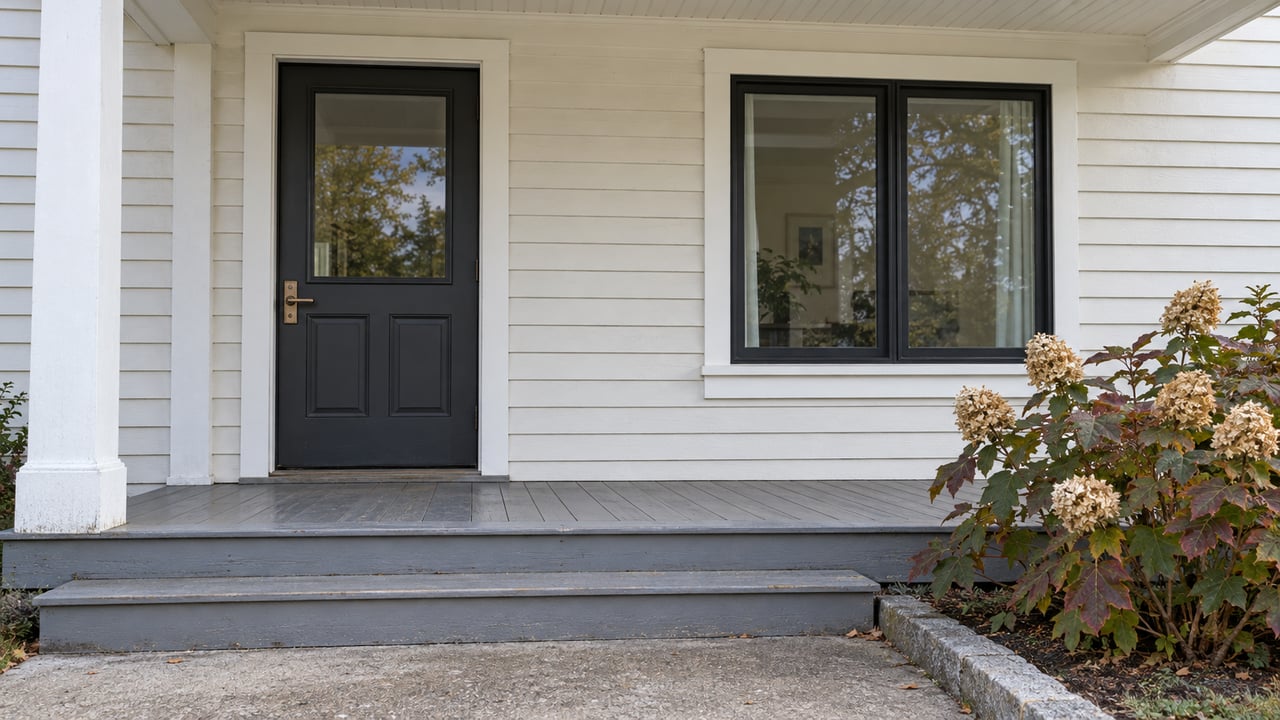
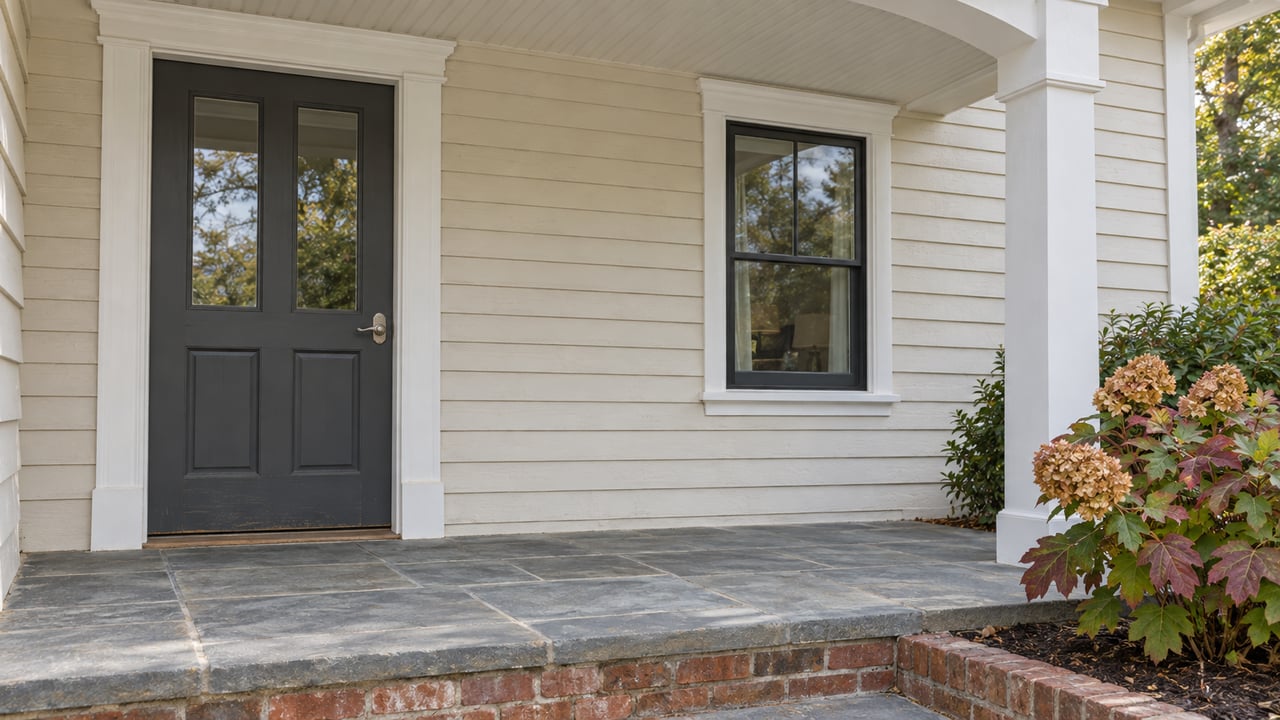
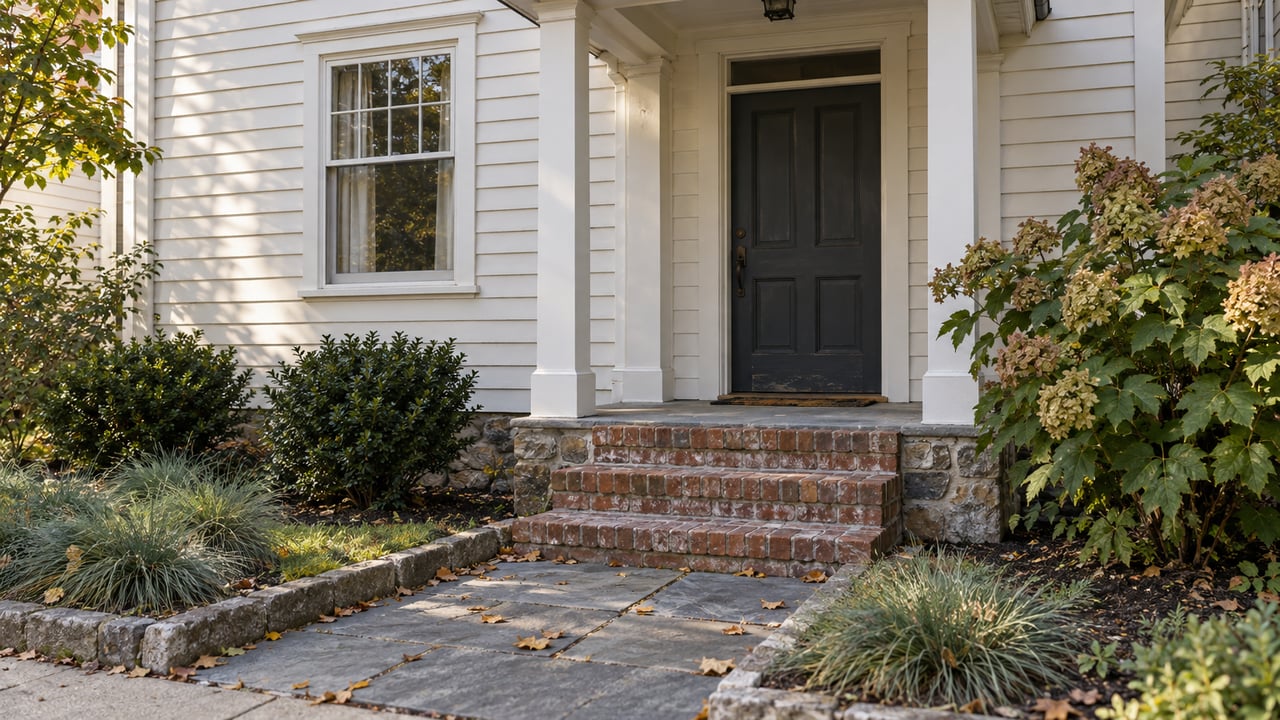
- Front door or garage door refresh and simple landscaping.
- Small kitchen and bath updates like hardware swaps or caulk refresh.
Curb appeal and light-touch kitchen refreshes often earn strong returns at resale. Aim to elevate presentation without over-improving for your block.
Stratford-specific checks to complete early
Stratford has shoreline neighborhoods, older homes, and local permit rules that matter at sale time. A little prep here can save you from last-minute surprises.
Flood maps and insurance
If your home is near the Long Island Sound, the Housatonic River, a marsh, or lower elevation, review FEMA flood maps for your address and gather your documents. Buyers may ask about elevation certificates and past flood claims. Start with FEMA’s resources and regional notices here: FEMA flood map and LOMR information.
Permits and past work
Collect receipts, permits, and certificates of occupancy for roof replacements, electrical upgrades, additions, finished basements, or other significant work. If you are unsure what is on file, the Town of Stratford website can help you locate the right permitting and building departments.
Lead-based paint in older homes
Many Stratford homes were built before 1978. Federal rules require you to give buyers the EPA lead pamphlet and any known lead reports. Get the pamphlet here: EPA Protect Your Family From Lead in Your Home. If you have past test results, include them in your seller packet.
Stage and photograph for maximum impact
Staging helps buyers understand space, light, and flow. A recent NAR survey found that about 29% of agents saw staging increase offers by 1 to 10 percent, and it often reduces time on market. See highlights in NAR’s briefing on how home staging boosts sale prices and reduces time.
Priority rooms are the living room, primary bedroom, and kitchen. Plan your sequence so photos happen after staging and cleaning. NAR’s staging blog offers helpful timing tips for making the case for staging and how it pays off.
If the home is vacant, consider full staging or high-quality virtual staging. Be sure to disclose any virtual staging in the listing per MLS rules.
Quick photo-day checklist
- Remove 30 to 60 percent of personal items.
- Clear kitchen and bath counters.
- Hide cords, small rugs, and pet items.
- Park cars off the driveway and tidy the garage.
- Trim shrubs and refresh mulch.
- Add a twilight exterior shot if curb appeal is a highlight.
Price it right and plan your launch
Your list price should start with a current CMA that focuses on very recent Stratford sales and the active homes you will compete against. Adjust for your home’s condition and upgrades, then align with your launch plan.
- Set a day 7 and day 14 check-in to review showings, saves, and private feedback.
- If traffic is light for the price range, consider a modest price improvement or marketing refresh during week two.
- Many agents choose a late-week launch to maximize weekend traffic.
Public medians are useful context, but your final price should be driven by closed comparables and how your home stacks up today.
Know your Connecticut disclosures
Connecticut requires most residential sellers to provide a Residential Property Condition Disclosure Report before the buyer signs a contract. If you do not deliver it, the contract must include a $500 credit to the buyer at closing. Review the statute here: Conn. Gen. Stat. §20-327b and §20-327c.
This disclosure covers the roof, foundation, mechanical systems, environmental hazards, and more. Provide honest, complete answers and include any available reports.
Build a complete seller packet
Gather these documents before going live. They support your disclosures and help buyers move with confidence.
- Signed Connecticut Residential Property Condition Disclosure Report.
- Pre-list inspection report, repair invoices, and contractor permits.
- Warranties and appliance receipts, plus HVAC and roof documentation.
- Title or survey, if available.
- Latest property tax bill for prorations and to confirm mill rates. You can reference town finance data at the Stratford community hub.
- Flood documentation for at-risk areas. Include a FEMA map printout for your address, elevation certificate if available, and any past flood claim history. Start here: FEMA flood resources.
- EPA lead pamphlet and any lead test reports for pre-1978 homes: EPA lead safety guide.
- Permit records and certificates. Use the Town of Stratford site to confirm what is on file.
Your 6 to 8 week prep timeline
Targeting a spring listing? Use this simple, flexible plan.
- Weeks 6 to 8: Order a pre-list inspection, gather permits and receipts, and decide which repairs to complete now versus credit at closing. Begin high-ROI touchups like paint and hardware. See InterNACHI’s guide to seller inspections for what to expect.
- Weeks 3 to 5: Finish repairs, deep clean, declutter, and book a stager if using one. Schedule professional photos for after staging. NAR’s staging research outlines why the staging sequence matters.
- Week 1: Install staging, complete final photo and video, and assemble your seller packet. Launch toward the end of the week to capture weekend showings.
Questions to ask when hiring your listing agent
- Can you provide a neighborhood CMA with very recent closed comps and active competitors?
- What is your plan for staging, photos, video, and launch timing, and can I see a sample calendar?
- What are the latest days-on-market figures for my ZIP and price range?
- Do you recommend a pre-list inspection for this home, and which repairs should I do now?
- Can you show me a net sheet at several price points so I understand expected proceeds?
Final thoughts
Selling in Stratford is about smart prep, clear pricing, and clean presentation. Focus on safety fixes, honest disclosures, strong staging, and a market-savvy launch. With the right plan, you reduce stress and protect your bottom line.
If you want a turnkey path from prep to closing, including complimentary staging and elevated marketing, reach out to iVision Real Estate. Let’s map your timeline, fine-tune your price, and get you to a confident sale.
FAQs
What is the best time to sell a home in Stratford?
- Late winter through late spring often brings more buyers and stronger results. Start prepping 6 to 8 weeks ahead so you can launch in early spring, and confirm exact timing with current local inventory and rates.
How much does staging help Stratford home sales?
- NAR reports that staging can reduce time on market and that about 29% of agents saw a 1 to 10 percent increase in offers. Focus on the living room, primary bedroom, and kitchen for the biggest impact.
What disclosures are required for Connecticut home sellers?
- Most residential sellers must deliver the Connecticut Residential Property Condition Disclosure Report before contract signing. If not provided, a $500 buyer credit is required at closing under state law.
Should I get a pre-list inspection before selling in Stratford?
- Yes, it often pays off, especially with older homes. A seller inspection helps you address issues on your schedule, set accurate expectations, and reduce last-minute renegotiations.
How do flood maps affect my Stratford home sale?
- If your property is near the shoreline or in lower elevation areas, buyers may ask for FEMA flood map data, elevation certificates, and any flood claim history. Gather these early to keep the deal moving.