Looking for a city vibe with room to breathe? Stamford blends a busy downtown with quiet neighborhoods and breezy waterfront parks, so you can tailor your lifestyle without leaving the city. If you are weighing high-rise convenience against a yard or a harbor view, the choices can feel overwhelming. In this guide, you will compare living options, commute realities, everyday amenities, and the costs that matter most. Let’s dive in.
Stamford at a glance
Stamford is one of Fairfield County’s major job hubs and a key part of the New York–Connecticut metro area. The population was about 135,470 in 2020, according to the U.S. Census. You will find an urban core with high-rises, established residential neighborhoods, and several Long Island Sound waterfront areas. That variety is why many people can find a fit here, whether you want walkability, space, or water access.
Downtown energy
Housing and who it suits
Downtown centers on the Stamford Transportation Center, Tresser Boulevard, Washington Boulevard, and nearby blocks with newer mixed-use towers. Housing skews to rental apartments and condominiums, including luxury high-rises and some office-to-residential conversions. This area typically attracts commuters, young professionals, and right-sizers who value elevators, amenities, and walkability.
Best for: convenience-first living near transit and nightlife.
Daily life and amenities
You are steps from Metro-North and Amtrak service, restaurants and bars, performance venues, fitness studios, and Mill River Park. Many buildings offer concierge-style services, on-site gyms, and shared lounges. Quick coffee runs, last-minute dinners, and no-car weekends are all realistic here.
Tradeoffs to weigh
Condos and newer apartments often have a higher price per square foot. Monthly HOA or amenity fees are common in condo buildings. Street activity can bring more noise and crowds, and some buildings offer limited or paid parking. In return, you get shorter rail commutes and a car-light lifestyle.
Residential neighborhoods
Where and what to expect
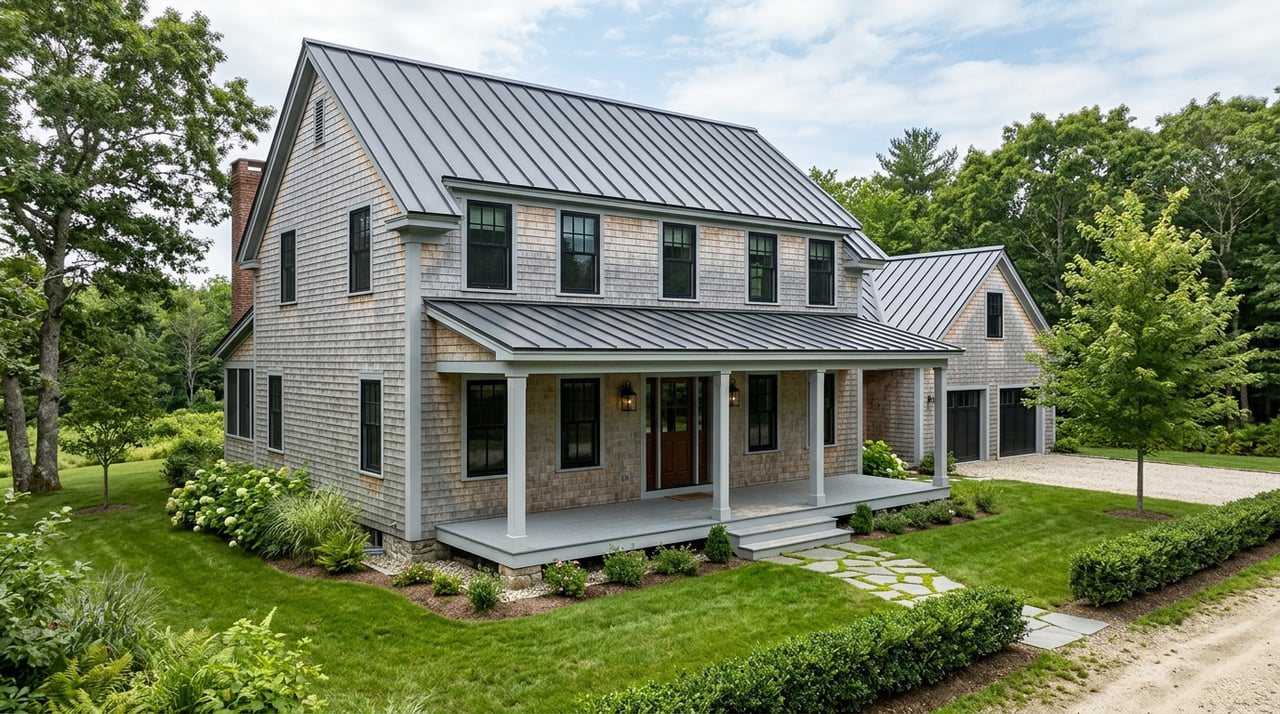
Neighborhoods like Glenbrook and Springdale include smaller downtowns and their own Metro-North stations. Westover and North Stamford trend more suburban, with mature trees and larger lots. Across these areas, you will see a mix of single-family homes, duplexes, and smaller multifamily properties, from postwar houses to renovated options.
Best for: space, yards, and a quieter street grid.
Daily life and amenities
You will lean more on driving for errands and school runs. Local parks, fields, and community centers are part of the routine. Many residents time their commute around I-95, the Merritt Parkway, or a short drive to a train station. Dining options vary by pocket, with some neighborhood strips and quick trips to downtown.
Tradeoffs to weigh
Walkability is lower than downtown, and nightlife is not on your doorstep. Homes can come with higher maintenance due to larger lots. Property taxes and upkeep should be part of your budget planning.
Waterfront calm
Where and what to expect
Waterfront areas include Stamford Harbor, Shippan Point, Cove Island Park and Cummings Park, plus Harbor Point, a major waterfront redevelopment. Housing ranges from single-family waterfront homes and historic properties to condos, co-ops, townhomes, and luxury towers.
Best for: saltwater views, park access, and a marina-and-trails routine.
Lifestyle on the Sound
You can enjoy beaches, promenades, boating, kayaking, and long walks by the water. Many pockets feel relaxed during the day with active recreation on weekends. Harbor Point and nearby areas add restaurants and open spaces along the shore.
Risks and costs to plan for
Waterfront properties often carry price premiums. Some locations fall within FEMA-mapped flood zones and may require flood insurance. Elevation, mitigation features, and long-term coastal resilience are smart topics to review during due diligence.
Commute and getting around
Rail and regional links
Metro-North’s New Haven Line is the primary commuter route to Manhattan. Typical express trains from Stamford to Grand Central often take about 45 to 60 minutes, depending on service. Amtrak also serves Stamford for regional trips.
Driving and local transit
I-95 and the Merritt Parkway are the main corridors, with traffic and travel times varying widely at rush hour. CTtransit runs local bus service, and you will find building and office shuttles in some employment clusters. Ride-hailing and taxis are widely available downtown.
Airports and non-car options
Nearby airports include Westchester County, LaGuardia, JFK, and Newark. Downtown is walkable, and you will find cycling options and waterfront promenades, with infrastructure that varies by neighborhood.
Lifestyle highlights
Parks and open space
Mill River Park offers a central green space downtown with events and walking paths. Cove Island Park, Cummings Park, and waterfront areas near Shippan Point provide beaches, trails, and seasonal recreation. Harbor Point includes public open space along the water.
Culture and dining
Downtown and Harbor Point feature a growing mix of restaurants, bars, and performance venues. Neighborhood dining exists in pockets across the city, with variety concentrated near the urban core.
Schools and services
Stamford Public Schools serves the city, and Fairfield County includes private and independent schools. Hospitals and medical providers operate in and near Stamford, with access to specialized care across the region. Always verify school boundaries and program offerings when comparing addresses.
Costs and ownership basics
Affordability patterns
Downtown condos and rentals usually command higher per-square-foot pricing than suburban neighborhoods. Waterfront properties commonly carry a premium. Pricing varies by building, block, and condition, so compare apples to apples.
Condo and HOA details
Plan for HOA or amenity fees in most downtown and Harbor Point buildings. Review reserve funds, parking policies, rental rules, and any special assessments before you commit.
Insurance and taxes
For properties near the coast, confirm whether the home is in a mapped flood zone, then obtain flood insurance quotes. Property taxes and individual assessments affect your monthly carrying costs, so review official records as part of your analysis.
Parking and resale
In high-rises, parking might be included, available for rent, or off-site. In residential neighborhoods, driveway and garage parking are common. Proximity to transit often supports steady rental demand, while single-family homes can attract long-term homeowners.
Quick checklist for buyers and renters
- Define your lifestyle priorities: walkability, space, or water access.
- Test the commute at your typical times, both by rail and by car.
- Confirm parking availability and any related fees.
- For condos, review HOA documents, reserves, rules, and assessments.
- For waterfront homes, check FEMA flood maps and get insurance quotes.
- Verify school boundaries and nearby services that matter to you.
- Compare property tax estimates and total monthly costs.
- Inspect neighborhood noise levels at different times of day.
Which Stamford is right for you
- You want the shortest train walk: Choose downtown high-rises near the Stamford Transportation Center. Expect higher per-square-foot costs and urban buzz.
- You want space and a yard: Look to Westover or North Stamford for larger lots, or Glenbrook and Springdale for commuter-friendly pockets with their own stations.
- You want water at your doorstep: Explore Harbor Point for mixed-use convenience, or Shippan Point and areas near Cove Island Park for coastal living with park access.
Ready to compare real listings, run the numbers, and map a clear plan? Get guidance from a local, client-first team that pairs home search with integrated mortgage and credit support. Connect with iVision Real Estate to get your free consultation.
FAQs
How long is the train ride to NYC from Stamford?
- Typical express Metro-North trains from Stamford to Grand Central often take about 45 to 60 minutes, with schedules varying by time and service.
What Stamford areas are more suburban and quiet?
- Westover and North Stamford tend to offer larger lots and a more suburban feel, while Glenbrook and Springdale mix neighborhood living with access to their own train stations.
Is downtown Stamford noisy compared with neighborhoods?
- Downtown is denser, with offices, restaurants, nightlife, and transit activity, so you should expect more street noise and foot traffic than in residential areas.
Are waterfront homes in Stamford in flood zones?
- Some waterfront properties are in FEMA-mapped flood zones and may require flood insurance, so always check maps and obtain quotes during due diligence.
How walkable is Stamford overall?
- Downtown is highly walkable, while most residential neighborhoods are more car-oriented, with some local commercial strips offering pockets of walkability.
What should I budget for with a condo in Stamford?
- Plan for HOA fees, possible parking fees, and any special assessments, and review reserves and building rules before making an offer.