Buying your first investment property in Stratford can feel exciting right up until you have to choose between a single-family home and a small multi-family. Both paths can work, but they create very different numbers, risks, and day-to-day responsibilities. If you want a smarter way to compare your options, this guide will help you weigh price, rent potential, financing, and local Stratford conditions before you commit. Let’s dive in.
Why Stratford Changes the Decision
Stratford is not a renter-heavy market, and that matters when you are choosing your first investment. Recent Census data shows an 81.6% owner-occupied housing unit rate, a median gross rent of $1,706, and a median owner-occupied home value of $372,200. That mix suggests you may need to be more precise about location, condition, and price than you would in a market with a larger rental base.
Stratford also has a wide range of housing settings, from waterfront areas to in-town and commuter-oriented pockets. That can create meaningful differences in pricing and rent performance from one area to another. In other words, the right investment in Stratford is often less about property type alone and more about how that property fits its exact location.
Taxes are another big part of the picture. Stratford assesses real estate at 70% of fair market value, and the listed FY2025 mill rate is 40.20 for real and personal property. The town has also said the post-revaluation mill rate for FY2026 to FY2027 would be set with the spring 2026 budget, so you should treat tax projections as something to review carefully rather than assume.
Stratford Price Points to Expect
Before comparing strategies, it helps to understand the local price gap between single-family and multi-family homes. Redfin reported a March 2026 median sale price of $420,000 in Stratford. Around early 2026, Zillow reported an average home value of $442,317 and a median list price of $459,933.
Multi-family inventory appears tighter and pricier. Redfin’s Stratford multi-family page showed only 6 multi-family homes for sale with a median listing price of $650,000. For many first-time investors, that means a small multi-family may offer stronger income potential, but it can also require a bigger upfront financial jump.
Single-Family: The Simpler First Step
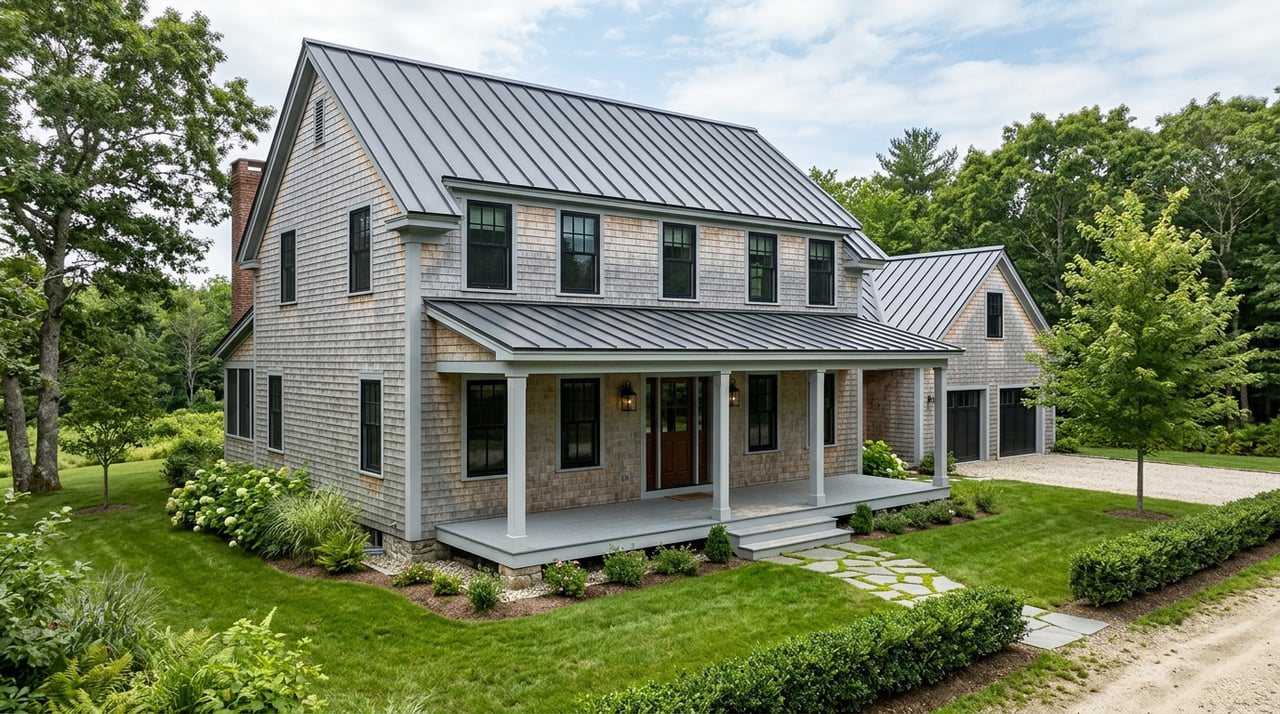
A single-family home is often the easier first investment to understand and manage. You have one roof, one mortgage, and a more straightforward ownership experience. If you plan to buy a home to live in first and potentially rent out later, this route may feel more manageable.
Financing can also be simpler on a one-unit primary residence. Fannie Mae finances one- to four-unit residential properties, but the underwriting path is often more straightforward on a one-unit home. For a first-time buyer who wants to reduce complexity, that matters.
A single-family purchase can also support a long-term buy, live, then rent strategy. You may move in, build equity, learn the market, and later decide whether the home works as a rental. In Stratford, that strategy works best when the purchase price, taxes, and maintenance still leave enough room for future rent to support the holding costs.
Best fit for a single-family purchase
A single-family home may make more sense if you:
- Want the lowest operational complexity
- Prefer a more traditional first home purchase
- Plan to live in the property before using it as a rental
- Want a financing path that may be easier to navigate
- Feel more comfortable handling one unit instead of multiple households
Multi-Family: More Income, More Moving Parts
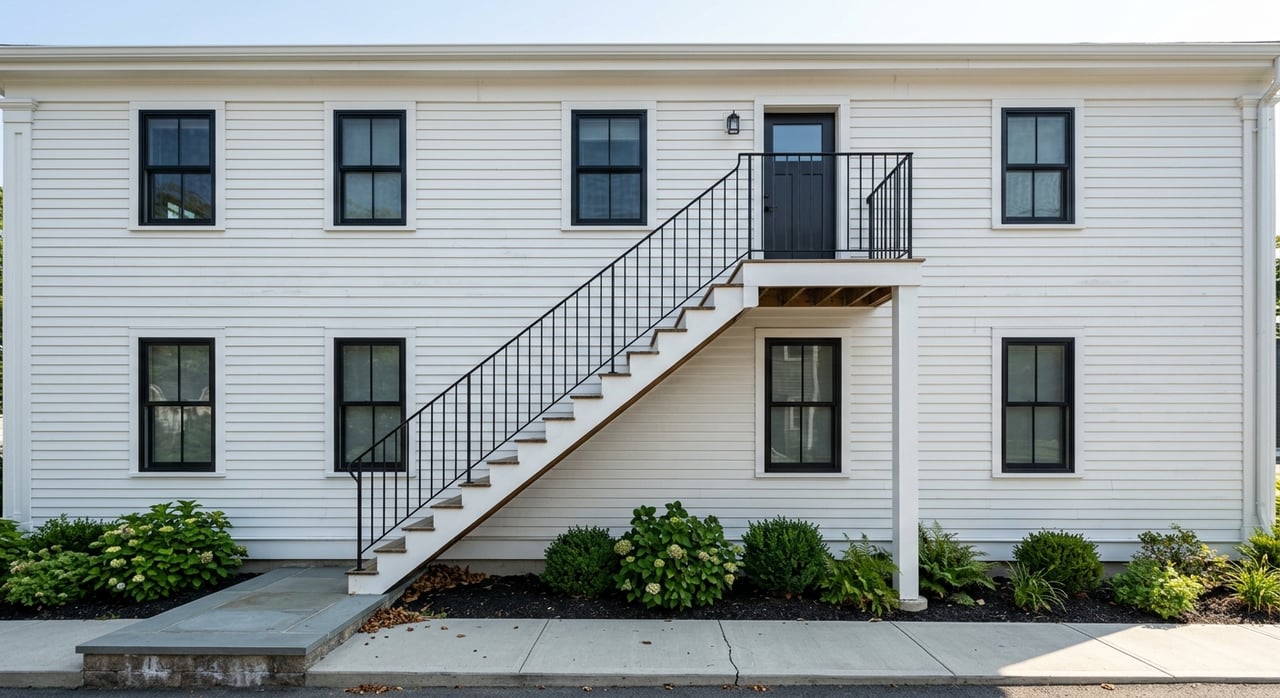
If your goal is to offset your housing payment faster, a two-family or small multi-family may be the stronger option. This is the classic house-hack setup, where you live in one unit and collect rent from the other unit or units. That rental income can help reduce your monthly out-of-pocket costs.
Fannie Mae allows financing on one- to four-unit residential properties. For a 2- to 4-unit principal residence, lenders can use rental income in qualifying, and when current leases or market rents are used, Fannie Mae applies a 75% factor to the gross rent. That can make a duplex or similar property more appealing if qualifying is tight.
FHA can also be part of the conversation. HUD says FHA loans can be used for 1- to 4-unit properties, with down payments as low as 3.5%, as long as the home is your owner-occupied principal residence. For 3- and 4-unit purchases, HUD also requires projected net rental income to meet a self-sufficiency test and says borrowers need 3 months of verified PITI reserves after closing.
The tradeoff is that more units usually bring more management. You may deal with more repairs, more turnover, and more chances for a vacancy to disrupt your numbers. In Stratford, where multi-family inventory is limited and pricing is higher, that means you need to underwrite carefully and leave room for the unexpected.
Best fit for a multi-family purchase
A small multi-family may make more sense if you:
- Want rental income to help offset your monthly payment
- Are comfortable with more hands-on ownership
- Need a property type that may help with loan qualifying
- Are focused on house hacking from day one
- Understand that purchase prices may be higher and inventory tighter
Stratford Rent Benchmarks to Compare
When you run numbers on any Stratford property, broad averages are only a starting point. HUD’s FY2026 Small Area Fair Market Rent schedule shows a meaningful spread between Stratford ZIP codes. In 06614, HUD lists $2,280 for a 1-bedroom, $2,730 for a 2-bedroom, $3,300 for a 3-bedroom, and $3,910 for a 4-bedroom.
In 06615, HUD lists $1,970 for a 1-bedroom, $2,360 for a 2-bedroom, $2,850 for a 3-bedroom, and $3,380 for a 4-bedroom. Since HUD states these are gross rent estimates, they are useful for underwriting benchmarks, not take-home cash flow. You still need to subtract expenses like taxes, insurance, maintenance, and vacancy.
Local apartment data points in a similar direction. Apartments.com reported average Stratford rents around $1,556 for a studio, $2,202 for a 1-bedroom, $2,626 for a 2-bedroom, and $3,527 for a 3-bedroom as of May 2026. These numbers can help you compare what a unit in a duplex or small multi-family might realistically compete against.
Census data gives a different but still useful lens. Stratford’s median gross rent is $1,706, which is lower than many of the current apartment-site averages and HUD benchmarks. That difference likely reflects older leases, a wider mix of housing types, and different methods of tracking rent.
What First-Time Investors Should Underwrite
The biggest mistake many first-time investors make is relying on townwide averages. In Stratford, ZIP code, street, condition, and unit layout can all change the rent picture. A property that looks strong on paper can become much less attractive once real taxes and maintenance are included.
Before you move forward, compare the property’s projected gross rent against the following:
- Purchase price
- Estimated monthly mortgage payment
- Current and projected property taxes
- Insurance costs
- Maintenance and repair reserves
- Vacancy reserve
- Any immediate improvement costs
If you are comparing a single-family home to a duplex, ask a simple question: Which property still works if the numbers come in a little worse than expected? That question can help protect you from overestimating rent or underestimating expenses.
How Financing May Shape Your Choice
Sometimes the best first investment is not just the one with the best potential return. It is the one you can qualify for comfortably and sustain with confidence. That is especially true if you are a first-time buyer or working through credit and down payment limits.
In Connecticut, CHFA is an important resource to research. CHFA says it offers 30-year fixed-rate mortgages with below-market interest rates through participating lenders. Its Time To Own down payment assistance program had reopened in December 2025 with more funding, and as of May 11, 2026, CHFA reported $25,391,787 remained available to reserve.
That kind of support may influence whether a single-family or owner-occupied multi-family purchase is more realistic for you. If you are considering FHA or conventional financing, you will still need to confirm how the loan program treats unit count, rental income, reserves, and occupancy. The financing side is not separate from the investment decision. In many cases, it decides which strategy is actually within reach.
A Practical Way to Choose in Stratford
If you are stuck between single-family and multi-family, start with your real goal. If you want a gentler learning curve, more predictable management, and flexibility to live in the home first, a single-family property may be the better first step. If you want rental income to play a bigger role from the start and you are prepared for more complexity, a two-family or small multi-family could be worth the premium.
In Stratford, the choice often comes down to three things: price, rent support, and risk tolerance. Single-family homes are usually simpler and more accessible. Multi-family homes may improve income potential, but the inventory is thinner and the math has to be tighter.
The right move is the one that fits both the local numbers and your personal capacity. If you want help sorting through Stratford options, comparing financing paths, or pressure-testing the monthly numbers on a property, iVision Real Estate can help you make a confident first investment decision.
FAQs
What makes Stratford different for a first investment property?
- Stratford has a high 81.6% owner-occupied housing rate, limited multi-family inventory, and varying rent levels by ZIP code, so your property’s exact location and costs matter a lot.
Is a single-family home easier than a multi-family in Stratford?
- Yes, a single-family home is usually easier to finance, manage, and maintain, which can make it a more comfortable first investment for many buyers.
Can you use rental income to qualify for a Stratford multi-family purchase?
- Yes, for a 2- to 4-unit principal residence, Fannie Mae allows lenders to use rental income in qualifying, typically using 75% of gross rent when current leases or market rent are used.
What rent numbers should you review in Stratford before buying?
- Review property-specific rent estimates, but useful benchmarks include HUD’s FY2026 Stratford ZIP code figures and local apartment averages, along with Stratford’s median gross rent of $1,706 from Census data.
Why are Stratford property taxes important in investment analysis?
- Stratford’s taxes directly affect cash flow, and because the town’s post-revaluation mill rate was still tied to the FY2026 to FY2027 budget process, buyers should verify updated tax estimates carefully.
Are there Connecticut programs that may help first-time buyers invest in Stratford?
- Yes, CHFA offers 30-year fixed-rate mortgages with below-market interest rates, and its Time To Own down payment assistance program is one resource worth reviewing if you are buying an owner-occupied property.