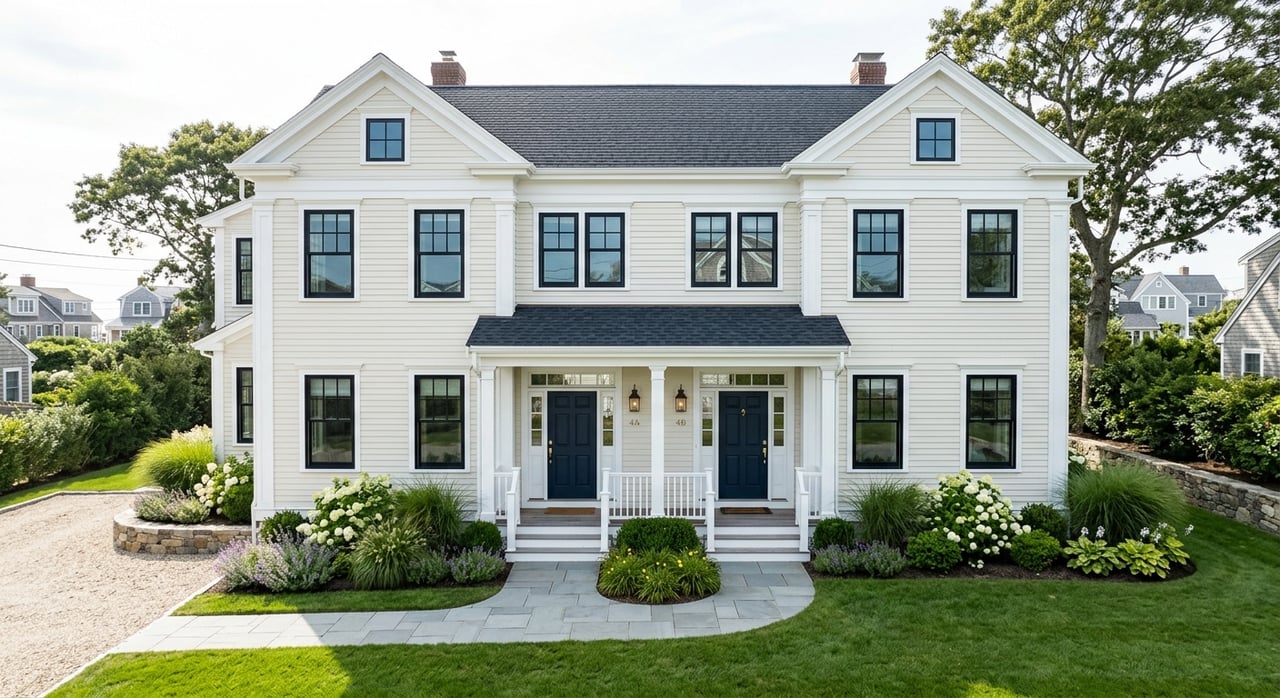
If you want to break into Fairfield County multi-family investing without stretching to some of the county’s highest price points, Stratford deserves a close look. For many buyers, especially house-hackers and small investors, the challenge is finding a town where the numbers still have a chance to work after taxes, repairs, and financing. This guide will walk you through what to watch in Stratford, what the local data suggests, and where careful due diligence matters most. Let’s dive in.
Why Stratford draws multi-family buyers
Stratford sits at the eastern edge of Fairfield County and the town describes itself as within an hour’s drive of New York City. It also has a station on Connecticut’s New Haven Line, which connects New Haven to Grand Central Terminal. That commuter access is a meaningful part of the rental story if you are thinking about long-term tenant demand.
The town’s size and housing profile also matter. Census and ACS data show Stratford with 53,908 residents, an 81.6% owner-occupied housing rate, a median household income of $95,815, a median owner-occupied home value of $372,200, and a median gross rent of $1,706. Taken together, those numbers point to a town with a strong ownership base and a rental market that still supports investor interest.
Compared with several nearby Fairfield County towns, Stratford’s prices sit lower while rents are only somewhat lower. That gap is one reason Stratford can appeal to buyers who want a lower entry point without giving up the rent potential that comes with a Fairfield County location. For owner-occupants trying to offset a mortgage with rental income, that can be especially attractive.
Stratford market numbers to know
Recent market snapshots help frame what you may be walking into. Realtor.com’s April 2026 Stratford market data shows a median listing price of $429,450, a median rent of $2,100, about 32 days on market, and a 100% sale-to-list ratio. That combination suggests a market where well-priced properties can move without much room for delay.
For multi-family buyers, inventory appears limited. Public listing portals recently showed just 10 Stratford multi-family homes for sale on Realtor.com, while Redfin showed 6 active multi-family listings and a median listing price of $650,000. Thin inventory often means you need to be ready to evaluate a property quickly and carefully.
Listing prices also vary widely. Current examples range from about $479,000 to $799,900, and recent sold examples have clustered from roughly $400,000 to $900,000. In practical terms, pricing can shift a lot based on condition, unit count, utility setup, and location.
What Stratford multi-family stock looks like
Stratford’s zoning code was revised in late 2024 and became effective on January 1, 2025. The code includes a specific Two and Three Family Residence District called RM-1. It also states that uses not expressly permitted are prohibited unless the Zoning Commission treats them as similar in nature.
That matters because you should never assume a building is a legal two-family, three-family, or four-unit property just because it has that layout today. Before you make an offer, you want to confirm legal unit count, zoning district, and whether any additions or conversions were properly reviewed. Stratford’s Planning and Zoning office says nearly all zoning records are accessible online and permitting is handled online, which can make that review process more manageable.
This is one of the biggest areas where buyers can protect themselves. A property may look like a strong income producer on paper, but the real value depends on whether the current use is legal and whether future work needs permits or approvals.
Rent ranges in Stratford
When you underwrite a Stratford multi-family property, broad town averages can only take you so far. Current rent trackers show different figures depending on how they measure the market, but together they help establish a realistic range to test.
A May 2026 Stratford snapshot shows average rents of:
- $1,545 for a studio
- $2,162 for a one-bedroom
- $2,632 for a two-bedroom
- $3,525 for a three-bedroom
Those figures sit alongside a townwide median rent of $2,100 and Census median gross rent of $1,706. The key takeaway is simple: underwrite at the unit level, not just the town level.
For example, three two-bedroom units rented at the current average of $2,632 would produce about $94,752 in gross annual rent before vacancy, repairs, taxes, insurance, and debt service. That can look promising at first glance, but the real test is what remains after all the costs specific to Stratford are included.
Property taxes can change the math fast
One of the biggest underwriting issues in Stratford is property tax. Stratford completed a 2025 revaluation, and the assessor says new assessments reflect 70% of fair market value as of October 1, 2025. Town budget materials show a FY2026 mill rate of 68.95 and a FY2027 revised recommended mill rate of 70.45.
Using those assumptions, a $500,000 market-value property would carry an estimated annual property tax of about $24,132.50 to $24,657.50. A $650,000 market-value property would carry an estimated annual property tax of about $31,372.25 to $32,054.75. Those are planning estimates, not final tax bills, but they show how quickly carrying costs can rise.
This is why Stratford investors need to look beyond purchase price. A property that seems affordable at first can become much tighter once taxes are built into the monthly picture. If you are house-hacking, that can affect how much relief the rental units actually provide against your housing payment.
Compliance steps buyers should expect
In Stratford, due diligence is not just about rent and expenses. It is also about timing, permits, and local oversight. The town has a Fair Rent Commission that can receive complaints about rental charges, and the Building Official handles permits, certificates of occupancy, and flood-zone information.
If you are buying a building that needs updates, you should budget time for compliance work along with your repair budget. A delayed certificate of occupancy, an open permit issue, or a flood-zone question can all affect your timeline and your carrying costs.
For coastal or river-adjacent properties, there may be additional review steps. Stratford’s Inland Wetlands Agency and state tidal-wetlands jurisdiction can affect projects depending on the site. Even if you are not planning a major addition, location-specific review can still matter during ownership or renovation planning.
A simple way to underwrite Stratford deals
If you are comparing Stratford multi-family properties, keep your analysis focused on a few practical checkpoints. You do not need a complicated spreadsheet at first, but you do need a disciplined process.
Start with income
Look at each unit individually. Confirm bedroom count, current rent, market rent, lease status, and whether utilities are shared or separated. In a market like Stratford, unit-by-unit rent comps are more useful than one townwide average.
Add local expenses early
Include property taxes near the top of your worksheet, not as an afterthought. Then add insurance, repairs, maintenance, vacancy, and any utility costs the owner will cover. If the building needs work, include realistic carrying costs during that period.
Verify legal use
Confirm the zoning district, legal unit count, and any nonconforming status before you get too far emotionally attached to the property. A building that is not recognized the way you expected can change financing, renovation plans, and income assumptions.
Review permit and occupancy history
Check whether major changes were permitted and whether the property has the needed certificates of occupancy. This step can help you spot issues before they become expensive surprises.
Test your numbers conservatively
Run the deal with rents that are supportable by current comps, not best-case hopes. Then stress-test the property with realistic taxes and operating costs. If the deal only works under perfect conditions, it may not be the right fit.
Why broker guidance matters in Stratford
In Stratford, a local broker’s value goes far beyond unlocking the front door. The highest-value work is often due diligence, especially when inventory is thin and decisions need to happen quickly.
A knowledgeable broker can help verify the legal unit count on the zoning map, confirm whether a property sits in RM-1 or another district, flag nonconforming status, and compare the asking price against active inventory and recent sold comps. That kind of support can help you avoid overpaying for a building that looks better on paper than it performs in real life.
Just as important, a strong broker can help you connect market pricing, tax estimates, rent assumptions, and building condition into one clear picture. For many Stratford buyers, that is the difference between chasing a listing and making a smart acquisition.
Is Stratford a good fit for house-hackers?
For many owner-occupant investors, Stratford checks several important boxes. It offers commuter access, a Fairfield County location, and a price point that can be lower than nearby towns while still preserving meaningful rental potential.
That said, not every property will pencil out. The main question is usually not whether rental demand exists. It is whether the purchase price leaves enough room after taxes and operating costs to make the rental side work.
That is where careful analysis matters most. If you focus on legal use, real rent comps, property taxes, and compliance issues before you write an offer, Stratford can offer solid opportunities for buyers who want to build wealth one unit at a time.
If you are thinking about buying a Stratford multi-family property, working with a team that understands both Connecticut housing markets and the financing side can save you time and help you make a more confident decision. iVision Real Estate can help you evaluate two-family and multi-family opportunities with practical local guidance.
FAQs
What makes Stratford appealing for multi-family investing?
- Stratford offers Fairfield County access, commuter rail service on the New Haven Line, and home prices that are generally lower than several nearby towns while still maintaining competitive rent potential.
What are Stratford multi-family home prices like?
- Recent public listings ranged from about $479,000 to $799,900, with active multi-family median pricing around $650,000 on one major portal and recent sold examples roughly between $400,000 and $900,000.
What rents should you expect for Stratford rental units?
- Recent Stratford rent data shows averages of $1,545 for studios, $2,162 for one-bedrooms, $2,632 for two-bedrooms, and $3,525 for three-bedrooms, but you should always test rents using live comps for each specific unit.
How important are property taxes in Stratford underwriting?
- Property taxes are a major part of the math. Based on Stratford’s post-revaluation assessment approach and published mill rates, annual taxes on a $500,000 to $650,000 property can be substantial and should be included early in your analysis.
What zoning issue should buyers check in Stratford?
- Buyers should confirm the legal unit count, zoning district, and whether the property falls in RM-1 or another district, since zoning and permitted use directly affect value, financing, and renovation plans.
What local reviews can affect a Stratford investment property?
- Depending on the building and location, buyers may need to account for permits, certificates of occupancy, flood-zone questions, Fair Rent Commission considerations, and possible wetlands-related review for coastal or river-adjacent properties.